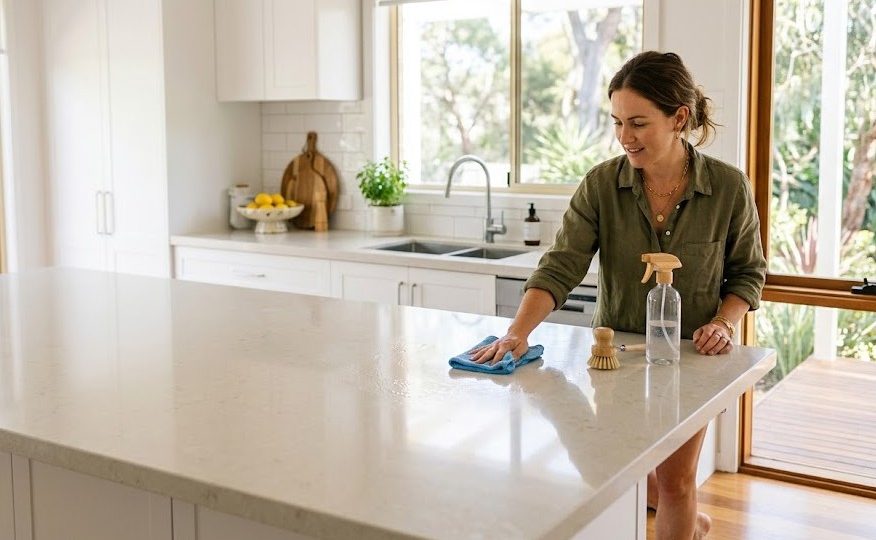
Preparing your home for sale – Home staging and home styling
Preparing your property for sale or rent (also known as Home Staging) is about doing whatever you can reasonably do to present your property in its best possible light.
Even the cheapest homes will benefit from a suitably planned presentation. Here are some things you can do to improve the appearance of your property and to help achieve a higher price.
Basic home staging
We’ve put together a checklist of basic home staging activities you can do yourself to make your home appeal to potential buyers. Work through the list step-by-step to create the perfect backdrop that allows buyers to imagine what it might be like to live in your house.
- De-clutter and store knick-knacks, appliances, and furniture that’s unappealing, controversial or is just taking up too much space. An overcrowded room can appear much smaller, darker, and less appealing to buyers!
- Get your carpets cleaned to show them off and to reduce any pet or household odours.
- Apply a fresh coat of paint – use a quality, low odour paint so that the house smells like a new one. Lighten homes that are dim and reduce glare in homes with too much sunlight.
- Replace tap fittings to upsell your bathroom or ensuite. Also consider re-grouting.
- Enhance or tone down natural light as needed. Windows and blinds might be better removed to increase light and expose a great view.
- Install a well-placed skylight if you have a very dimly lit room which might lower a buyer’s mood and opinion of the property.
- Install a split system air-conditioner to enhance value and solve a problem if a bedroom is west facing. If that is too expensive, an alternative would be to install some attractive ceiling fans instead.
- Consider installing awnings to cut down on afternoon sun.
- Pay close attention to the various entry and exit points of your property. First impressions really count and if possible you want that instant wow factor, either when someone pulls up in front of your home or when they first enter it. You might consider having a stunning painting, flowers, or a decorative coat hanger in your entry way. Even your choice of an attractive, high quality doormat can set the right tone for everything that follows.
- Consider replacing curtains/blinds if they have become dated or tattered.
Radical home staging ideas
If the price of your home warrants it, you can get radical in your efforts for big results.
Whatever room you’re evaluating, try to consider it in terms of light, heat, smell, sound, space and colour. See your home with a fresh set of eyes again and try to visualise what a complete newcomer will make of it.
- Rent furniture – a better or more appropriate style, colour, or smaller size to make a room appear larger particularly in bedrooms and lounges.
- Knock out an internal wall.
- Render a dated internal brick feature wall.
- Replace a worn and tired looking garage door.
- Old carpets can smell and emphasise the age of a property. Replacing carpets, exposing and polishing floorboards or even tiling the floor are possible options.
Radical bathroom and kitchen ideas
Update or enhance bathrooms and kitchens. These are key areas to impress buyers and offer the best bang for your buck.
- Re-tile walls and floors.
- Replace cupboard handles.
- Installing brighter lighting can work wonders in a kitchen.
- Replace external doors with windowed doors to let in more light.
Radical external ideas
First impressions count, and street appeal is the first thing a potential buyer sees when they arrive at your property. Make sure they don’t get back in the car and drive away!
- External rendering an old brick veneer home can be quite inexpensive relative to the change in appearance that is gained.
- Replacing old windows can also have an incredible effect on a dated property.
- A shiny and freshly painted tile roof with its mortar repainted, can do wonders for an older home.
Tips for success
Ask for outside opinions
Sometimes you’re too close to the action and you may overlook things that are obvious to others. Getting a fresh set of eyes to take a critical look over your property is worthwhile.
Consider asking friends or family members to give you their thoughts on how your property does or doesn’t appeal to them. Explain that you are inviting comments from them about things you can readily alter and improve, not things you can’t affect such as neighbourhood noise, graffiti, parking, and so on.
Consider getting expert help
Like so many things, home staging represents a good, better, best approach.
As a private seller you stand to save massive amounts of commission and some of those savings could go towards paying a professional staging business to both assess your property and also point you towards the most cost effective solutions. Because these companies specialise, they may well have contacts for products and services that you may not come across as easily.
As well as employing such a company, you might even consider doing a home staging course yourself so that you learn the tricks of the trade. In doing that you also end up with another great skill set that you can use over and over again. If you buy new furniture packages and ornamental items, you can always resell them once your property has sold.
If you’re looking for property styling in NSW, we can highly recommend Kerrie of Launch My Pad
Target your efforts
The main principle of home staging is to know your property’s strengths and weaknesses and to think about those in terms of who is the person that will be your most likely buying candidate.
Your objective is to spend the least amount of money to create the desired effect in either accentuating the positive side of your home, or else removing or reducing the impact of the negative attributes of your property.
If the cost of staging is recouped in the sale (and perhaps much more) then your time has been well spent. But even if you lose a few thousand dollars by improving the property and because of that you get a successful or faster sale, then you still have achieved a worthwhile outcome.
Stand out
Most people won’t attend to the finer points of property presentation. If you do, you’ll gain a competitive advantage over less prepared property sellers, regardless of whether they’re private sales or agent sales.
Remember, houses sell houses, so make sure your property puts its best foot forward!
Want the very best way to sell your home? It’s us!
Did you know PropertyNow can list your property on all the major real estate websites, and give you all the real estate support you need to sell your own home and save thousands in agent commissions? You do now!
Contact our friendly team to discover how easy it is to sell your home without an agent. Call 1300 664 773 now
Contact Us
Sign Up
Staged, styled and ready to list?
PropertyNow puts your property on realestate.com.au and the other major portals until it sells, with licensed agents behind you seven days a week.