If you’ve just started managing your own rental, the first routine inspection is the bit that feels strange. You’re walking through someone’s home, with their washing on the line and their kids’ drawings on the fridge, and you’re meant to be looking at the place with a critical eye. How often are you even allowed to do this? How much notice do you give? And once you’re in there, what are you actually looking for?
None of it is complicated. There are rules on frequency and notice, and they differ by state, so we’ve laid them all out below. The rest is a walk-through with a torch and a short list of things that cost money when nobody spots them early. Twenty minutes every few months, done properly, is one of the best habits a self-managing landlord can have.
What a routine inspection is (and what it isn’t)
A routine inspection (Victoria calls it a general inspection) is a scheduled visit during a tenancy to check that the property is being looked after and that nothing needs fixing.
It’s a maintenance inspection, not a housework inspection. Queensland’s RTA and Tasmania’s tenancy regulator both say this in almost those words. You are not there to judge whether the dishes are done. A messy house is a lifestyle. A leaking tap or a dead smoke alarm is your problem, and finding it early is the whole point of the visit.
It also works both ways. A routine inspection is where a good tenant tells you about the sticking window or the dripping shower they never got around to reporting, and where you catch the slow leak under the sink before it takes the cupboard floor with it. It’s also your paper trail. If a bond dispute ever comes up, a set of dated photos every few months, sitting alongside your entry condition report, makes the “was it like that when they moved in?” argument very short. Some landlord insurance policies also ask for regular inspections, so it’s worth checking what yours says.
What our team sees
“Landlords are usually worried about how the property is actually being treated, and whether they’re about to be hit with a bunch of repair costs. Setting realistic expectations upfront, with both the landlord and the tenant, is what takes the sting out of it. Tenants should know what normal wear and tear looks like versus damage, and landlords should know that finding a maintenance item isn’t a red flag, it’s the system working. When both sides know what to expect going in, the first inspection stops feeling like a test and just becomes routine.”
And the most common thing an inspection turns up? “Bathroom and laundry mould, and slow leaks under sinks that nobody’s noticed yet. Close second is exhaust fans that have stopped working without anyone realising. Small stuff, but it’s exactly what routine inspections are there to catch before it becomes expensive.”
Chenelle Moothedom, Senior Agent, PropertyNow
How often can a landlord do a routine inspection? The rules by state
Every state and territory caps how often you can inspect and sets a minimum notice period, and a couple of them require a specific form. Get these right and the visit is lawful even if the tenant isn’t home; get them wrong and the tenant can refuse entry, and in most states they’d be within their rights. Read the notes under the table too, because a few states have quirks of their own.
| State / territory | Minimum notice | How often you can inspect | Permitted hours | Form or quirk |
|---|---|---|---|---|
| NSW | 7 days, in writing, each time | Up to 4 times in any 12 months | 8am–8pm, not Sundays or public holidays | Where practicable, tell the tenant the proposed day and time; don’t stay longer than the inspection needs |
| VIC | 7 days, in writing | Not in the first 3 months of the agreement, then no more than once every 6 months | 8am–6pm, any day except a public holiday | Renter can refuse if a general inspection has happened in the last 6 months |
| QLD | 7 days, on an Entry notice (Form 9) | No more than once every 3 months, unless the tenant agrees in writing | 8am–6pm Monday to Saturday; Sundays and public holidays only if the tenant agrees | You must give a specific time or a 2-hour window and turn up inside it |
| WA | 7 to 14 days, in writing, on Form 19 | No more than 4 times in a 12-month period | 8am–6pm weekdays, 9am–5pm Saturdays, not public holidays | A follow-up visit to check a breach has been fixed only covers the items you flagged |
| SA | 7 to 28 days, in writing | 4 times a year (unless SACAT orders otherwise) | 8am–8pm, any day except a Sunday or public holiday | Each inspection can run for up to 2 hours |
| TAS | At least 24 hours | No more than once every 3 months (including once in the first month), unless the tenant agrees in writing | 8am–6pm | Put the notice in writing anyway; it’s your proof |
| ACT | At least 1 week, in writing | Twice in each 12 months, plus one inspection in the first month and one in the last month of the tenancy | 8am–6pm, not Sundays or public holidays | If you sign a consecutive lease with the same tenant, the end-of-tenancy inspection isn’t required |
| NT | At least 7 days | Once every 3 months (a lease can make it less often, not more) | 7am–9pm | The inspection must be done in the tenant’s presence unless they refuse, waive it in writing or simply aren’t there at the arranged time |
Sources, if you want the rule straight from the regulator: NSW Fair Trading, Consumer Affairs Victoria, the Queensland RTA, Consumer Protection WA, SA.GOV.AU, CBOS Tasmania, the ACT Government and NT.GOV.AU. Tenancy rules get amended fairly often, so check the current page before you send a notice.
Some of the detail doesn’t fit in a cell.
- Count the days carefully. NSW counts calendar days, doesn’t count the day the notice is served, and adds 7 working days if you post it. Other states don’t all spell it out the same way, so the safe habit everywhere is to give a day or two more than the minimum. How you’re allowed to serve the notice also varies: Victoria lists post or handing it over in person, WA allows email. Check your state’s page on serving notices before you rely on an email.
- You don’t have to use the maximum, but don’t skip them either. Every three to six months fits inside every state’s cap and is plenty for most properties. A good long-term tenant on a property with no history of problems doesn’t need the maximum. Our senior agent Chenelle sees both extremes go wrong: “Landlords who over-inspect end up with tenants who feel watched and stop reporting issues themselves. Landlords who skip inspections because they don’t want to be a bother are the ones who call me 18 months later with a mould problem that started as a $50 fan fix. Best approach: stick to the legislated frequency, keep it routine, no surprises.”
- The cap is on routine inspections. Going in to fix a tap, check a repair or show the place to a buyer is a different kind of entry with its own notice rules. Those are a topic on their own, so this article stays on the routine kind.
- Your lease should say all this too. Standard agreements carry the entry terms, which is one more reason to use the proper form for your state; we cover that in our guide to residential lease agreements.
How to run the inspection, step by step
- Send the notice. In writing, using your state’s form where one exists, inside the notice window, stating the reason (“routine inspection”), the date, the time or window, and who’s coming. Keep a copy.
- Offer some flexibility. You don’t have to negotiate, but if the tenant asks to shift the time because they want to be home, say yes where you reasonably can. WA and SA expect you to make a reasonable effort here, and a tenant who’s present is a tenant who tells you about the dripping shower.
- Turn up on time, and inside the permitted hours. Knock, wait, then let yourself in if nobody answers and your notice allows it. (The NT expects the tenant to be present, but if they’ve had proper notice and simply aren’t there at the arranged time, the inspection can go ahead.)
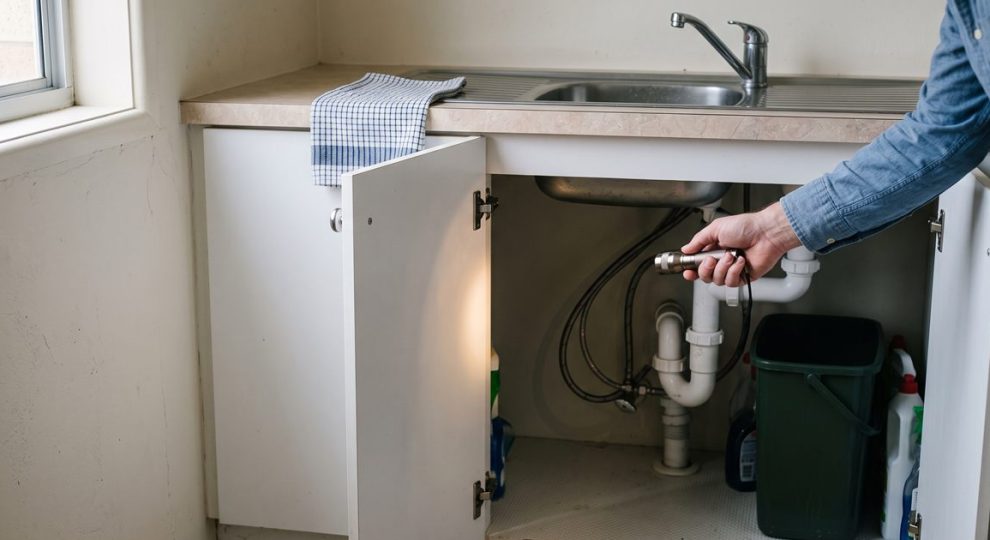
- Walk every room with the checklist below. Phone for photos, a torch for under sinks and inside cupboards, and a notebook or whatever you recorded the entry report in. You’re looking at the building, so leave their belongings alone.
- Leave, then write it up the same day. A short dated summary with photos, a copy to the tenant, and a list of anything you need to fix or they need to fix. Then diarise the next one.
The routine inspection checklist
Print this or save it to your phone. It’s built around the things that cost real money if they’re missed, so it runs heavier on plumbing, damp and safety than on presentation.
Kitchen
- Under the sink: cupboard floor dry, no swelling or staining, no drips from the trap or the tap tails
- Taps and mixer: no drips, no leaking at the base
- Rangehood filter and fan working; stove and oven elements working
- Dishwasher connection dry (if supplied)
- Cupboard doors, drawers and benchtop: intact, no water damage at the sink edge
Bathroom and laundry
- Silicone and grout around the shower, bath and basin: intact, no black mould, no gaps
- Shower screen and tiles: no cracks, no loose tiles (tap them)
- Exhaust fan working, and actually being used (a mouldy ceiling says it isn’t)
- Toilet: no leak at the base or cistern, flushes properly
- Washing machine taps and hoses (if supplied): no weeping, no perished hoses
- Signs of water getting behind fittings: soft or bubbling paint, lifting flooring
Living areas and bedrooms
- Walls and ceilings: cracks, water stains, mould in corners and behind furniture where you can see
- Windows: open, close and lock; seals and flyscreens intact; no condensation damage on sills
- Doors and locks working; no unapproved lock changes
- Blinds, curtains and light fittings working
- Floor coverings: wear, stains, damage beyond normal use
- Heating and cooling: working, filters clean
- Any changes you weren’t told about (pets, extra occupants, alterations, a business being run from the property)
Outside
- Gutters and downpipes: clear, not overflowing, not detached
- Roof line from the ground: no slipped tiles, no obvious damage
- Drainage: no pooling near the slab, no soggy patches near pipes
- Paths, steps, decking and balustrades: safe, not rotting or loose
- Timber anywhere it meets the ground (porch, deck posts, door frames, skirting): no termite mud tubes, no soft or hollow-sounding wood
- Fences and gates: sound; pool fence and gate (if any) self-closing and latching
- Garden and lawns kept to what the lease requires; no rubbish build-up
- Garage, shed and carport: dry, doors working
Safety and compliance
- Smoke alarms: present, tested, within date (the rules on type, placement and testing are state-specific, so check yours)
- Safety switch (RCD) trips and resets
- Hot water unit: no leaks, pressure relief valve not running constantly
- Gas appliances: no smell, flame burning blue (a gas safety check is a separate, licensed job in some states)
- Any hazards: trip hazards, exposed wiring, loose balustrades, a broken window
You won’t tick every box every time, and you don’t need to. But do look at the structure, not just the fittings. Chenelle again: “At a routine inspection I noticed termite damage on the front porch. They’d already started working their way into the house frame. Because I was thorough and caught it early, the owner got onto pest control straight away and it was contained. I’ve seen the alternative play out on another property: same situation, but it went unnoticed too long, the termites destroyed the frame, and the owner ended up wearing a major structural repair. That’s the difference a good routine inspection makes. It’s what stands between ‘pest treatment’ and ‘rebuild the frame’.”
Acting on what you find
Most inspections turn up nothing, or a short list of small things. What you do next depends on which of three buckets each item falls into.
Things you need to fix. The dripping tap, the failing hot water unit, the gutter that’s coming away. These are your repairs, and the sooner they’re booked the cheaper they usually are. Note them, thank the tenant for anything they pointed out, and get on with it. A landlord who fixes things promptly tends to have tenants who report things promptly.
Things the tenant needs to sort out. An overgrown yard the lease says they maintain, a bathroom that needs a proper clean, mould they’ve let build up on a wall. Start with a friendly written note: what you saw, what you’d like done, and a reasonable timeframe. Most people fix it. Keep the tone of someone who wants the tenancy to keep going well, because you do.
Damage, or a breach of the lease. Holes in walls, a broken door, a pet that isn’t on the agreement, more people living there than the lease allows. For this, a friendly note isn’t enough. Each state has a formal breach notice (a Notice to Remedy Breach in Queensland, a Notice of breach of duty in Victoria, and so on) that gives the tenant a set period to fix the problem, and it’s the first step in the process if they don’t. The mechanics are similar to the rent-arrears process, which we walk through in what to do when a tenant isn’t paying rent; your state authority’s site has the form and the timeframes.
The line between damage and fair wear and tear trips a lot of people up. Faded carpet in a sunny room or a benchtop that’s dulled after five years is wear, and it’s yours to absorb. A burn in the benchtop or a dog-scratched door is damage. Our end-of-tenancy condition report guide goes into where that line sits, and it’s worth reading before you write anything down that sounds like an accusation.
The follow-up visit is the other one. If you’ve served a breach notice and want to check the problem has been fixed, that’s a new entry with its own notice. In Queensland, after a Notice to Remedy Breach (Form 11) for a significant breach, it’s 48 hours’ notice and the visit has to happen within 14 days of the notice’s deadline. In South Australia it’s 7 to 14 days’ written notice. (If you only sent a friendly note, you don’t get a shortcut: the next look is a routine inspection on routine notice.) In WA, Consumer Protection is explicit that a follow-up visit is only for the items you flagged: if you wander through commenting on the rest of the house, you’ve just done an extra routine inspection without proper notice. So keep the follow-up narrow.
Photos, privacy and not being that landlord
A routine inspection means being in someone’s home while they may not be there, so how you behave in there matters as much as what you find.
- Photograph the property and keep the photos private. Walls, fittings, the underside of the sink, the mould in the shower corner. Leave their desk, their bedroom and their post out of frame where you can, and keep every photo in your own records. Some states have specific rules here. In South Australia, if your inspection photos might capture the tenant’s possessions you have to give 7 days’ written notice, and you need their written agreement before publishing any. NSW bans publishing interior photos or video that show a tenant’s belongings without written consent. Tasmania requires written permission before publishing any image that could identify the tenant, and WA expects the tenant and landlord to agree on inspection photos. Wherever you are, the safe rule is the same: photograph the building, and never publish inspection photos.
- Don’t open drawers, wardrobes or the fridge. You’re checking the building, and the built-in cupboards that come with it. Anything that’s theirs is off limits.
- Don’t stay longer than the job takes. NSW, Victoria and WA all say this in their rules, and South Australia puts a two-hour limit on it. A three-bedroom house usually takes well under an hour.
- Don’t turn it into a surprise visit. Dropping round “because you were passing” is the fastest way to lose a good tenant’s goodwill, and it’s not a lawful entry. Notice, every time.
- Write it up and share it. A short summary with photos, sent the same day, tells the tenant nothing is being held against them in secret. It also means that when the tenancy ends, you have a dated record every few months from the entry report onward, so the exit report becomes a comparison, with nothing to argue about. Keeping those write-ups in the same place as the lease, the bond record and the entry report is the easy part if you’re already running the tenancy through rental management software; it’s a folder-and-diary job if you’re not.
The bottom line
A routine inspection is a scheduled look at the building, done with proper notice, inside the hours your state allows, no more often than the cap. Give the notice in writing, walk through with the checklist, keep the photos to the property, and write up what you found that day. Fix what’s yours. Ask nicely about what’s theirs. Keep the formal notice for when you actually need it.
Do that every three to six months and you’ll catch the small stuff early, keep a record that protects your bond claim, and show your tenant that the person managing the property is paying attention. It’s one of the parts of self-managing that sounds awkward beforehand and turns out to be fine. Our step-by-step guide to renting out your property privately covers where inspections fit in the rest of the job.
Start every inspection from a proper entry report
PropertyNow’s digital condition reports load the right form for your state, attach your photos room by room, and get the tenant’s sign-off on their phone, so every routine inspection has something solid to compare against.
Frequently asked questions
How often can a landlord do a routine inspection in Australia?
It depends on the state. NSW, WA and SA allow up to four a year; Queensland, Tasmania and the NT allow one every three months; Victoria allows one every six months (and none in the first three months); the ACT allows two a year plus one in the first and last month of the tenancy. Those are ceilings; every three to six months is a sensible rhythm for most properties.
How much notice do I have to give for a routine inspection?
At least seven days in NSW, Victoria, Queensland and the NT; 7 to 14 days in WA; 7 to 28 days in SA; at least one week in the ACT; at least 24 hours in Tasmania. Put it in writing everywhere (most states require it), and use your state’s prescribed form where one exists, for example the Entry notice (Form 9) in Queensland and Form 19 in WA. Give a day or two more than the minimum, and allow extra time if you post it.
Can I do a routine inspection if the tenant isn’t home?
In most states, yes, provided you’ve given valid written notice and you enter within the permitted hours. The Northern Territory is the exception: an inspection there must be carried out in the tenant’s presence unless they’ve refused to attend, waived the right in writing, or aren’t at the property at the arranged time. Wherever you are, a tenant who wants to be present is entitled to be, and it’s usually better if they are.
What should a landlord look for at a routine inspection?
Mainly the things that get expensive when nobody notices them: leaks under sinks and around toilets, failing silicone and mould in wet areas, water stains on ceilings, blocked gutters and drainage, smoke alarms and the safety switch, and anything that’s changed since the last visit, such as a pet or an extra occupant. Presentation matters less than condition. The checklist above covers it room by room.
Can a tenant refuse a routine inspection?
They can refuse if the notice wasn’t valid: too short, not in writing where writing is required, outside the permitted hours, or over the frequency cap. If you’ve done everything properly and they still refuse, don’t force your way in. South Australia and WA both say a tenant who refuses valid entry can be in breach of the agreement, with a breach notice and then the tribunal or court as the path, and other states work similarly. Talk to your state’s tenancy authority before escalating.
Can I take photos during a routine inspection?
Yes, of the property: fittings, damage, maintenance issues. Avoid photographing the tenant’s personal belongings, keep the photos for your records, and never publish them. Some states go further: South Australia requires 7 days’ written notice if inspection photos might capture the tenant’s possessions, NSW bans publishing interior photos showing a tenant’s belongings without written consent, and Tasmania requires written permission before publishing anything that could identify the tenant. Check your state’s page before you shoot anything you might want to use later.
Is a routine inspection the same as a condition report?
No. The condition reports at the start and end of a tenancy are formal, often prescribed-form documents that both parties sign and that the bond claim rests on. A routine inspection is a lighter check in between, and its write-up is your own record rather than a prescribed form. The two work together: the entry report is what you compare against on every routine visit.
Related stories
- What is a rental ledger? A landlord’s guide with example
- Self-managing vs a property manager: which is right for you?
- Bond lodgement explained: a state-by-state guide for landlords
- Victorian rental laws: current rules and recent changes for landlords
Written by the PropertyNow team. This article is general information for landlords and isn’t legal advice. Entry and inspection rules are set by each state and territory and do change, so check the current rules with your state’s tenancy authority before you act, and get advice on your situation if you’re unsure.