

How to sell your house privately in Australia
Can you really sell your own house?
Yes, and it’s legal everywhere in Australia. No law in any state or territory says a home has to be sold through an agent.
What the law does care about is the paperwork. You’ll need a compliant contract of sale, whatever disclosure documents your state asks for, and a conveyancer or solicitor to handle the transfer. All of that applies with an agent too, so none of it is extra work you’ve taken on by going private.
So what is the commission actually buying? Marketing and negotiation, mostly. A photographer takes the photos. Your conveyancer does the legal work. The portals list private sales right alongside agent listings, and buyers can’t tell which is which. What’s left over is the part a motivated owner can genuinely do, and you already know your home better than any agent would after one walk-through.
It suits people who can give it a few hours a week and don’t mind talking to buyers. If that sounds like you, our step-by-step selling guide goes deeper on every stage.
How to sell your house privately, step by step


Work out what it's worth, then set your price
Two jobs sit in here, and they’re not the same job. One is finding out what your home is worth. The other is deciding what to ask for it, which is a commercial call rather than a valuation.
Start with evidence rather than a hunch or what the neighbour reckons his place is worth. Pull the sale prices of three to five homes genuinely like yours: same bedroom count, similar land, similar condition, sold in the last three to six months. Look at their photos so you can judge condition honestly. Check what’s listed nearby right now, because that’s your real competition, and how long those listings have been sitting, which tells you how fast things are moving. Online estimates are a starting point and nothing more. Two of them will happily disagree by six figures on the very same house. A free property value report is the easiest place to start, and it’s built on actual sales data.
Then set the number, which is the part people find hardest, and not because it’s complicated. It’s your home and you like it. Price it too high and the listing goes stale in the first fortnight, which is exactly when buyer interest is at its peak. Price it too low and you’ve left money on the table. The honest middle is a figure you could defend to a stranger using the sales you just looked at.
How you advertise that number matters too, because it changes who bothers enquiring. A fixed asking price is clear and keeps the tyre-kickers away. A range invites negotiation, though buyers will anchor to the bottom of it every time. Offers over works nicely in a hot market and poorly in a slow one.
Your buyers are running the same comparable sales you are.
Researching and setting your selling price covers the method properly, including what to do when the estimates argue with each other.

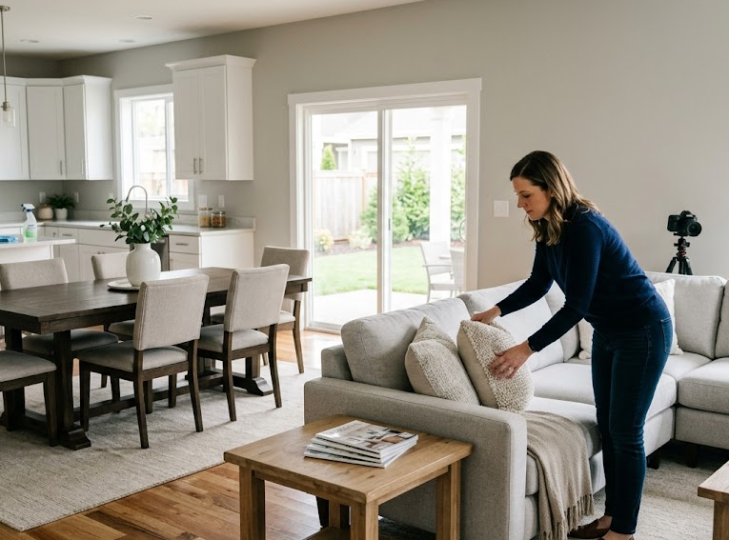
Get the place ready, and get a professional to photograph it
Buyers meet your home as a set of photos long before they meet it in person. A weekend of work here pays better than almost anything else you’ll do.
You’re not renovating. You’re removing small reasons for someone to keep scrolling. Clear surfaces, clean windows, a tidy entrance, and enough furniture gone that the rooms read as roomy.
In rough order of what it returns:
- declutter hard, then do it again, because most homes need about a third of their contents out of sight
- fix the small visible faults, the dripping tap, the sticking door, the dead globe
- tidy the front of the house, since it’s the first photo and the first impression both
- book a professional photographer, which is the best value dollar in the entire campaign
If you take one recommendation off this page, make it that last one. Phone photos look like phone photos sitting next to a listing shot by somebody who does it for a living. Property Photography is available as an add-on if you’d rather we organised it. Pick your strongest room, or the best angle of the front, for the first photo in the set.
Preparing your home for sale sorts what’s worth doing from what really isn’t.

Write the listing
The photos are done. Now the words.
Write for the person trying to imagine living there. Lead with what genuinely sets the place apart, the north-facing back deck, the primary school two streets over, the garage that fits a boat, rather than reaching for stunning and immaculate, which buyers stopped reading years ago. Put the suburb and the property type in the first line, because that’s what the search indexes read.
Then answer the practical questions early: layout, land size, parking, school zone, and what’s been done to the place recently. Give real numbers while you’re at it. Large backyard means nothing to anybody. 704sqm block means something. Buyers are holding your listing up against forty others, so vagueness costs you.
Write it the way you’d describe your home to a friend who’s thinking of moving to the area, then read it aloud before you publish. If you wouldn’t say it out loud, cut it. And leave out anything you can’t back up at the front door, because a buyer who feels oversold on arrival is gone before the second bedroom.
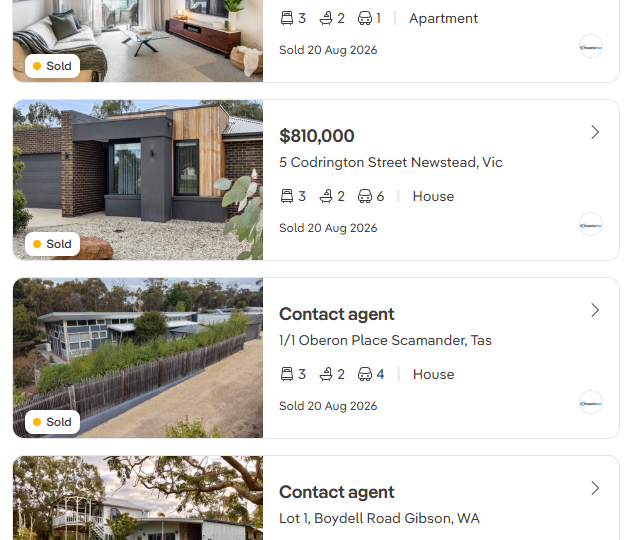
Choose who gets you onto realestate.com.au and Domain
You can’t list on realestate.com.au or Domain yourself. Both portals only take listings from licensed agencies, which is why every private-sale service you’ll come across is a licensed agency doing the listing on your behalf. That’s the whole mechanism. Nobody has a loophole.
So the question is which one. Compare them apples with apples:
- what the fee actually covers, both portals or one, for how long, and whether a sign, a floorplan or enquiry handling is in there
- whether there’s a commission at the end, because some services charge a modest listing fee and still take a percentage at settlement
- who fields the enquiries, and how fast they reach you
- what happens if it doesn’t sell in the first campaign
One thing to watch: some providers dangle a tempting headline fee (you’ll see plenty of ‘from $899’ type ads) that conveniently leaves out things you’ll certainly need, so the bill that lands is bigger than the one you were sold. Ask for the total before you sign anything.
We’re one of the options. One flat fee, both portals, no commission at the end, and you can see exactly what’s included before you decide.
How to advertise your property for sale shows how private listings work on the portals.
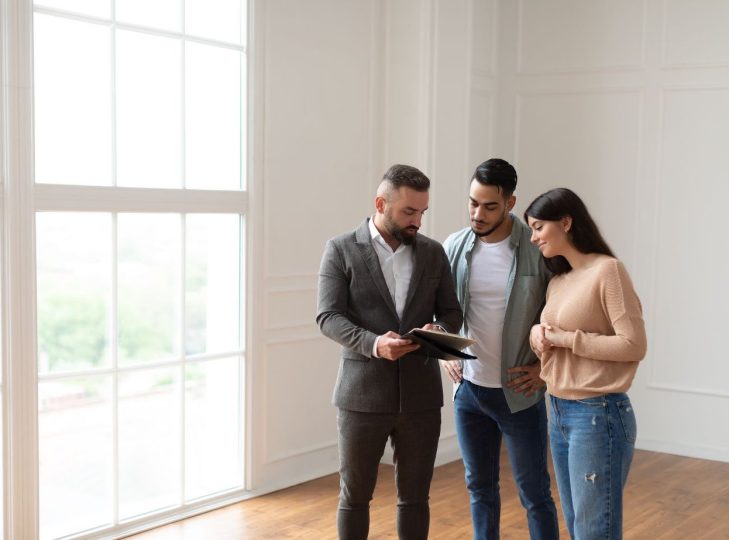
Run the inspections
This is the part people are most nervous about and the part they almost always end up enjoying. You know the house better than any agent could, and buyers generally like dealing with the owner because they get straight answers instead of a sales line.
A routine that works for a first open home:
- reply to enquiries fast, because within a few hours matters far more than what you actually say
- run a 30 minute window rather than a string of long private appointments, at least to begin with
- take a name and number from everyone who walks through so you can follow up properly
- pop the valuables away beforehand, then enjoy showing off your home
Answer questions plainly, including the unflattering ones. Being cagey loses more sales than a wonky fence ever has.
How to run an open home covers bookings, walk-throughs and the questions buyers ask.
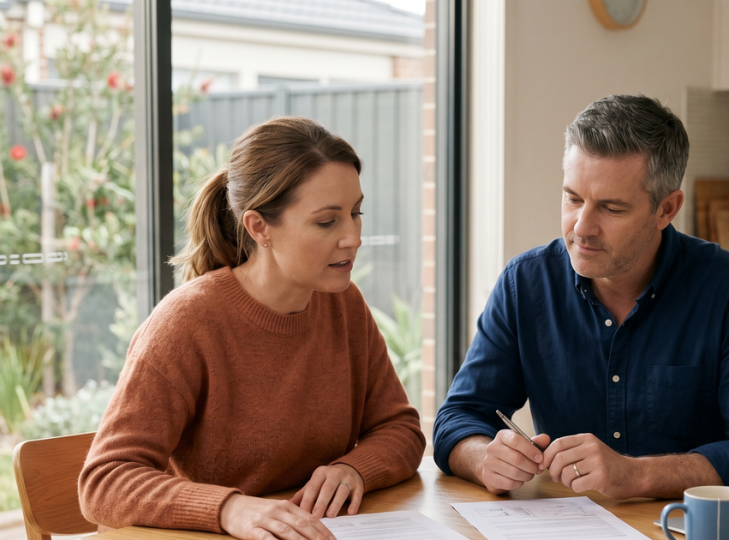
Take offers and negotiate
The highest offer isn’t automatically the best one. A slightly lower price from a buyer with finance sorted and no conditions attached can be worth a good deal more than a top figure that falls over six weeks later and drops you back at the start with a stale listing.
So weigh the whole offer, not the headline:
- finance, whether they’re pre-approved, still applying, or paying cash
- conditions, like building and pest or the sale of another property
- the settlement date, and whether it actually suits your own move
- the deposit, which is a fair indication of how serious somebody is
Get every offer in writing and give yourself permission to think about it overnight. There’s no prize for answering in ten minutes.
How to evaluate a property offer helps you weigh price against conditions and settlement terms.
Sort the contract and the conveyancing
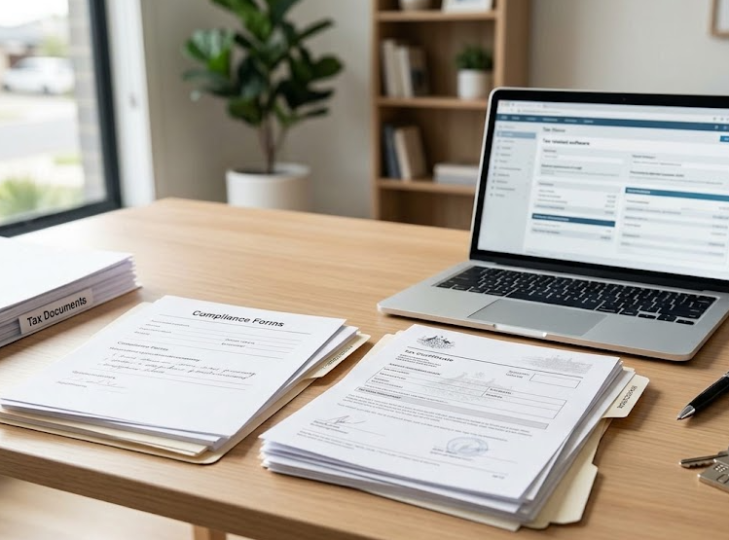
This is the part you don’t do yourself, and you shouldn’t. A licensed conveyancer or a solicitor prepares the contract, handles the disclosure documents your state requires, and runs the settlement for you.
Engage them early rather than waiting until an offer arrives. In some states the contract has to exist before the property can be advertised at all, so a late start can hold up your whole campaign.
The rules genuinely differ around the country:
- in NSW, the contract must be prepared before the property is marketed
- in QLD and the ACT, the conveyancing has to be done by a solicitor
- in WA, the professionals who do this work are called settlement agents
- cooling-off periods and required disclosures vary in every state, so check your state guide further down this page
One thing that matters: a deposit belongs in a regulated trust account, never in your own personal bank account. Your conveyancer or the agency handling your listing will arrange that.
Do you need a conveyancer to sell privately? explains who does what on the legal side.
Settle, and hand over the keys
Once the contract is signed, most of the work shifts to the conveyancers on both sides. Your job is to keep your end moving, meet the dates in the contract, and leave the property in the condition you agreed to.
That means getting documents back to your conveyancer promptly, since delays at your end delay settlement. It means letting the buyer do their pre-settlement inspection. And it means final meter readings done, utilities disconnected in your name, and everything the contract says goes actually gone.
Settlement itself usually happens electronically these days, without you in the room. Most sellers describe it as strangely anticlimactic for something that took months to reach.
What happens on settlement day walks through the final step.

What does it cost to sell your house privately?
Selling privately swaps a percentage for a flat fee, and that’s the whole reason the sums come out so differently. An agent on 2 to 2.5% takes $14,000 to $17,500 out of a $700,000 sale, with marketing billed on top, and their cut climbs every time your sale price does. A flat listing fee sits still whether your home sells for $500,000 or $1.5 million. You can see our current pricing here.
There are other costs to budget for, and they apply whichever way you sell:
- Conveyancing or legal fees, roughly $700 to $2,500 depending on your state and how complicated the sale gets
- Professional photography, roughly $150 to $500, and worth every cent of it
- A printed sign, optional, and still one of the cheapest ways to find a local buyer
- Portal upgrades, optional, priced by the portal and dependent on your suburb
The costs of selling a house lays out the full list. If you’d like a contract of sale prepared for you, that’s available as an optional add-on, priced by state.
So what would you actually save?
Put in what you think your home will sell for and see what an agent’s commission would have cost you. Most private sellers are tens of thousands of dollars better off.



No cash upfront? You can pay at settlement
Plenty of people who’d rather sell privately don’t, for one reason: the money isn’t there right now. The listing fee and the photographer both want paying before a single buyer walks through the door.
So they sign with an agent instead, pay nothing on the day, and hand over the commission at settlement.
Have a look at what that actually is. An agent’s commission is a deferred payment too. It’s just a spectacularly expensive one. You wait for your money either way, and the only question is which one you’re deferring: a listing fee, or two and a half percent of your house.
We work with Property.Credit, a short-term facility built for exactly this. It covers your listing and the campaign extras like photography, signage and portal upgrades, and nothing is repaid until your property settles. It operates in Australia and New Zealand.
It isn’t a checkout button yet. Either talk to us and we’ll point you in the right direction, or apply directly through Property.Credit. If you’ve already made up your mind about selling privately, you can get your listing started and sort the funding alongside it.
8 ProductReview.com.au Real Estate Award wins in 9 years — including 2026
Selling privately in your state
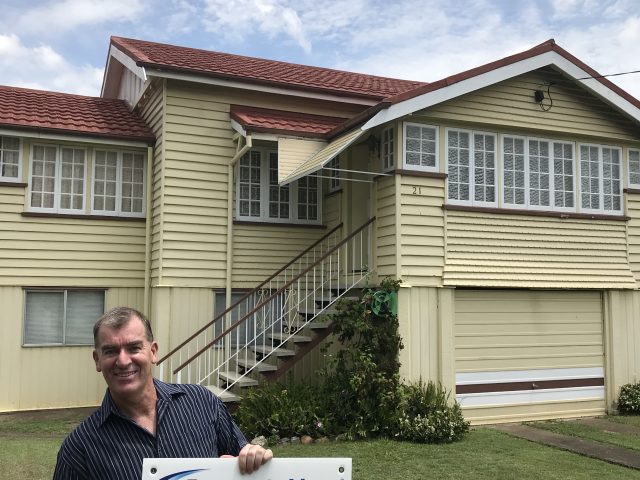
The process is much the same wherever you are, but the legal requirements aren’t. Contract rules, disclosure documents and cooling-off periods all change at the border, and your state’s fair trading or consumer affairs body publishes the official version (NSW Fair Trading’s selling guide is a good example of what’s available). Pick your state for the local detail.
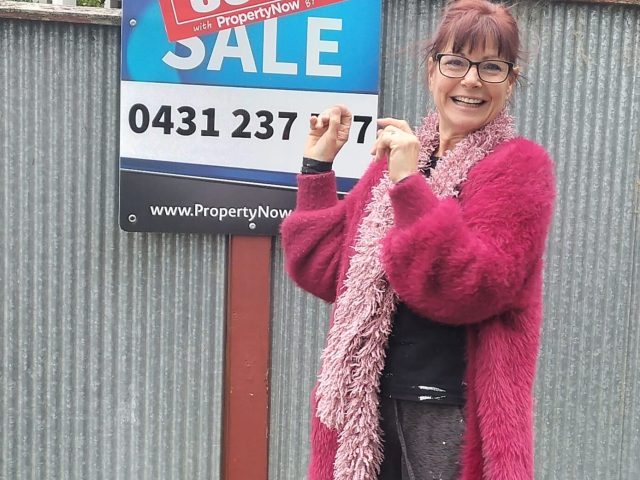
What does “for sale by owner” mean?
For sale by owner, or FSBO if you’ve seen it shortened, is the American name for what we’d usually call a private sale. Same thing, different label. So if you’ve been reading around and wondering whether you’ve missed some distinction between the two, you haven’t.
We’ve got a guide for every capital city if you want detail closer to home.

About the author
Coreyna Blachut has worked in agent-assisted private sales and leasing technology since the sector started up in Australia in 2006. Twenty years of watching people sell their own homes, and of building the tools and the phone support that make it work.
What’s on this page is what our team hears every week. The bits that genuinely trip sellers up, the bits that turn out to be far easier than anyone expects, and the points where you’re better off handing the job to a professional. Where the law comes into it, we’ve said so plainly rather than talked around it.