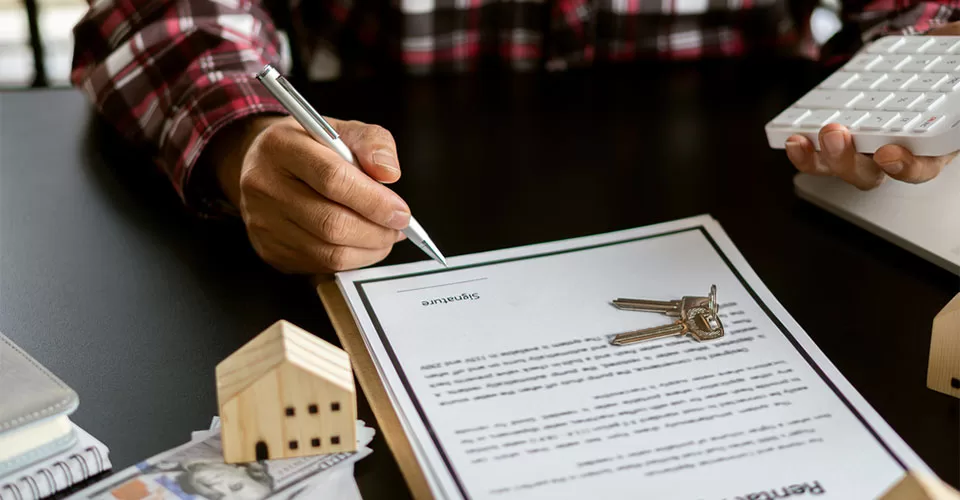
Selling House vs Renting it Out: What’s Smarter?
You’re moving on. New job, new city, upsizing, downsizing, whatever it is, the place you’re leaving doesn’t have to be sold. It could just stay. You keep the asset, someone else’s rent helps pay it off, and in a few years it might be worth a good deal more.
Or you sell, take the gain you’ve built up, and walk away with the cash and a clear head.
If you’re weighing up selling your house versus renting it out, you’ve probably already found that everyone has an opinion and most of them are pretty sure they’re right. But there’s no answer that fits everyone. It’s part money decision and part life decision, and the right one comes down to your numbers and whether being a landlord appeals to you, not to a rule that works for the person next door.
PropertyNow helps people sell their own homes and rent out their own properties, so we do fine whichever way you go. No barrow to push, in other words. What you’re getting here is both sides laid out plainly, tax and all, so you can make the call that suits you.
So, which is actually smarter?
Nobody can tell you the “smarter” move without knowing your mortgage, your plans, the rent your place would fetch, the price it would sell for, and whether you’d genuinely enjoy (or at least tolerate) being someone’s landlord. Anyone who answers “just sell” or “always hold” in the abstract is guessing.
What we can do is lay out what each path really gives you and costs you, walk through the tax rules that change the maths, and give you a short list of questions that usually settle it. Let’s take the two sides in turn.
The case for renting it out
The big draw is that you keep the asset. If your home is likely to keep gaining value, holding it means you stay in that growth instead of cashing out of it. Meanwhile the rent covers some or all of the mortgage, so a tenant is helping fund an asset that’s still yours.
For a lot of people it’s also the emotional easy option. You don’t have to say a final goodbye to the family home, and if life changes you could move back in.
So far so good. But holding has another side to it.
You become a landlord. That means finding and screening tenants, meeting your state’s rules, handling repairs and the odd 9pm phone call about a broken hot water system. None of it is beyond a normal person (plenty of Australians self-manage, and we’ll come to how), but it’s real work and real responsibility.
Your money also stays locked in one asset. A house is a big, undiversified bet in a single suburb, and you can’t sell off a bedroom if you need some cash in a hurry.
And the rent may not cover as much as you’d hope. With interest rates where they’ve been, plenty of former homes run at a loss once you add up the mortgage, rates, insurance, maintenance and any management fees. That gap comes out of your pocket each month, and you’re betting future capital growth makes up for it.
Then there’s tax, which changes things enough that it gets its own section below.
The case for selling
Selling frees up your equity. Instead of it sitting in bricks, you’ve got cash you can put towards your next home, spread across other investments, or use to knock down another loan. Your finances get simpler too: one less property to insure, maintain, and worry about.
There’s a tax sweetener as well. While it’s your main residence, the family home is generally exempt from capital gains tax, so the growth you’ve enjoyed is usually yours to keep when you sell. Turn it into a rental and that clean exemption starts to change (more on the six-year rule shortly).
Now the downsides. Sell a property that keeps rising and you miss the growth you would have banked by holding. If you sell and buy again, you’ll usually pay stamp duty on the next place, which is one of the biggest costs of moving. Our rundown of the main costs of selling and buying, including stamp duty, is worth a look before you commit.
And selling the family home carries a weight that a spreadsheet won’t show. Years of memories are hard to put a price on, and that’s allowed to matter in your decision.
There’s one selling cost you have real control over, though: the agent’s commission. On a typical home that’s often $15,000 to $30,000 handed over for the sale. Doing it yourself with a private sale through PropertyNow keeps that money in your pocket, which shifts the whole comparison more than people expect.
The six-year rule most people miss
This is the bit that most often decides which way people go, so it’s worth a proper look. What follows is plain English rather than tax advice, so check your own situation with a registered tax agent, but the rules themselves are real.
Start with the good news. Your main residence is generally exempt from capital gains tax. The moment you rent it out, it can start producing an assessable capital gain for the years it’s earning income. That’s where the absence rule, better known as the six-year rule, comes in.
Under the ATO’s six-year rule, you can keep treating your former home as your main residence for capital gains tax for up to six years after you move out, even while it’s rented and earning income. Sell within that window and you can generally still claim the main residence exemption. A few things to know about how it works:
- Rented out and earning income: you can treat it as your main residence for up to six years.
- Left empty (not earning income): you can treat it as your main residence for an unlimited time.
- You can only have one main residence at a time. Nominating your old home for the exemption usually means you can’t also claim it on a new home you buy for the same period.
- The clock can reset. If you move back in and later move out again, a fresh six-year period generally starts for that new absence.
The catch is the deadline. Rent your old home for longer than six years and the exemption stops covering the excess period, so part of the eventual gain becomes taxable. When that happens, the value used to work out the gain is usually the property’s market value on the day you first rented it, not what you originally paid, so it’s worth getting a valuation done around the time it first goes on the rental market.
Two more tax points that matter for the “rent it out” side:
Rental income is taxable. The rent you collect is assessable income, though you can usually claim deductions for things like loan interest, rates, insurance, repairs and property management.
Land tax can appear. Your home is generally exempt from state land tax while you live in it. Turn it into an investment and it can become liable, depending on your state’s thresholds and the total land you own. It’s a cost that catches a lot of accidental landlords by surprise.
One more thing to have on your radar in 2026
The rules around investment property are changing. Under the 2026 Budget, negative gearing on residential property is set to be limited to newly built homes, and the 50% capital gains tax discount is set to be replaced with cost base indexation and a minimum tax rate on gains. These changes are legislated to start from 1 July 2027 and apply to gains from that date, and properties already owned on Budget night (12 May 2026) are grandfathered from the negative gearing change. You can read the detail on the ATO’s page on the reforms.
What it means for your specific home depends entirely on when you bought it and your own finances, so this is very much a “ask your tax agent” area rather than something to decide off a blog. We flag it because it’s genuinely part of the picture right now, not because we can tell you how it applies to you.
What renting it out actually involves
If the numbers point towards holding, the practical question is whether the landlord side is for you. For most people it turns out to be very doable, especially now the admin can be run from your phone.
Recommended for you

How much rent should I charge? Pricing your rental without a property manager (2026)
Three things worth getting your head around before you decide:
- What rent could you realistically get? This drives the whole cash-flow question. Our guide to working out the right rent to charge shows how to price it off real comparable listings rather than hope.
- How long until it’s leased? An empty week is lost rent you never get back. Our look at how long it typically takes to rent out a property shows what speeds it up.
- Will you self-manage or use a property manager? A manager takes roughly 5% to 10% of the rent plus fees, which adds up. Our comparison of self-managing versus using a property manager helps you decide which suits you.
Around a third of Australian landlords manage their own rentals, and the tools to do it well (online applications, digital leases, rent collection, condition reports) are all things you can run yourself. If you want the full picture, our guide to renting out your property walks through it, and when you’re ready you can advertise your rental on the major sites without a managing agent.
A worked example
Say your home is worth about $800,000 and you owe $250,000 on it. You could rent it for around $620 a week, which is roughly $32,000 a year before costs.
Now the costs. Interest on that $250,000 loan runs to something like $16,000 a year at current rates. Add council rates, insurance and water (call it $4,000), a maintenance allowance ($2,000), and if you use a property manager, another $2,500 or so. That’s about $24,500 in costs, leaving you roughly $7,500 a year of positive cash flow before tax, on top of any capital growth. Self-manage and you keep more of it.
Flip it around and sell, and after selling costs you might free up somewhere near $520,000 in equity. That’s money you could put into your next home (cutting the loan you’d otherwise pay interest on), or invest elsewhere.
Neither is automatically the winner. If you owed more (or rates rose), that rental could swing to a loss you fund each month while you wait on growth. If your suburb’s rental demand is strong and you’re comfortable holding, the numbers can look great. These figures are illustrative, so run your own with your real loan, rent and costs, and get tax advice before you lean on any of it.
Questions to think about when deciding to sell or rent
When people talk it through with our team, the decision almost always comes down to a handful of questions:
- Do you need the capital? If the equity is earmarked for your next home or to clear other debt, selling often wins by default.
- Could you carry it if the rent didn’t cover costs? Be realistic about a few months of negative cash flow or a vacancy.
- What’s the rent versus the sale price? A strong rental return argues for holding; a strong sale price you’d struggle to replace argues for selling.
- Do you actually want to be a landlord? Some people find it easy and even enjoy it. Others lose sleep. Both are fine, but know which you are.
- Where does the six-year rule leave you? If you might sell within six years, you may keep the main residence exemption. Beyond that, factor in the tax.
- What’s your local market doing, on both sides? Rents and prices move differently by suburb. Look at what your place would actually lease and sell for right now.
If most of your answers point one way, that’s usually your answer. If they’re split, the tie-breaker is often simply whether you want the money freed up or the asset kept.
The bottom line
There’s no universally smarter choice between selling and renting out your house, only the smarter choice for you. Renting it out keeps you in the asset and can build long-term wealth, but you take on a landlord’s job, a tighter cash-flow picture and a tax situation that changes once you move out. Selling frees your equity, keeps your affairs simple and locks in the main residence exemption while you’ve still got it, at the cost of future growth and the transaction fees that come with moving.
Work out your real numbers, get personal tax advice on the six-year rule and the 2026 changes, and then back yourself. And whichever way you land, you don’t have to hand a fortune to an agent to do it yourself: PropertyNow supports private sellers and self-managing landlords alike, with licensed agent help seven days a week.
Frequently asked questions
Is it better to sell or rent out the family home? It depends on your numbers and your plans. Renting it out keeps you in the asset and brings in income, but makes you a landlord and changes your tax position. Selling frees your equity, simplifies your finances and locks in the main residence capital gains exemption while you still qualify. Work out the rent you’d get, the price you’d achieve and whether you want to be a landlord, then decide.
Can I rent out my home and still avoid capital gains tax? Often, yes, for a while. The ATO’s six-year rule lets you keep treating a former home as your main residence for capital gains tax for up to six years after you move out, even while it’s rented, provided you don’t claim another property as your main residence for that time. Sell within six years and you can generally still use the exemption. Rent it for longer and part of the gain becomes taxable. Check your own case with a registered tax agent.
Do I have to pay tax on the rent from my old home? Yes. Rent is assessable income and needs to be declared. The upside is you can usually claim deductions against it, such as loan interest, council rates, insurance, repairs and property management fees.
Should I sell my house or rent it out in Australia right now? The 2026 market is softer than its recent peak, and tax changes to negative gearing and capital gains are legislated to start from 1 July 2027, which has cooled some investor demand for established homes. None of that decides it for you. Your rent, your sale price, your mortgage and whether you want to be a landlord matter far more than the national headlines. Get tax advice on how the 2026 changes apply to your property.
Will the 2026 negative gearing changes affect me if I keep my home as a rental? Possibly, depending on when you bought and your finances. The changes limit negative gearing on residential property to new builds and replace the 50% capital gains tax discount, starting from 1 July 2027, with properties owned on Budget night (12 May 2026) grandfathered from the negative gearing change. How that applies to a former home you convert to a rental is a question for your tax agent.
Do I lose the main residence exemption the moment I move out? Not automatically. Thanks to the six-year rule, you can generally keep the exemption for up to six years while renting the property out, or indefinitely if it sits empty, as long as you’re not claiming another home as your main residence. The exemption only starts to erode once you pass that window.
Is renting out your house actually worth it? For plenty of owners, yes, especially if the rental demand in your suburb is strong, you can cover any shortfall between rent and costs, and you’re happy to hold for the long term. For others, the tighter cash flow, the tax admin and the responsibility of being a landlord tip the scales towards selling. The worked example and the six questions above are the quickest way to see which camp you’re in.
Sell it or lease it, do it yourself and keep more
Whichever way you land, you don’t need to hand a chunk of the result to an agent. PropertyNow helps you sell privately or rent out your own place, with licensed agent support seven days a week.
Related stories
- Step-by-step guide: how to sell your home online
- Researching and setting your selling price
- Selling a rental property with tenants: your options
- How to write a rental ad that gets applications
- The truth behind agent commissions
Written by the PropertyNow team. PropertyNow helps Australians sell and rent out their own property privately, with licensed agent support seven days a week.
This article is general information only and not financial, tax or legal advice. Tax rules, including the main residence exemption, the six-year rule and the 2026 negative gearing and capital gains changes, depend on your circumstances and change over time. Before you decide, speak with a registered tax agent or licensed financial adviser about your own situation.