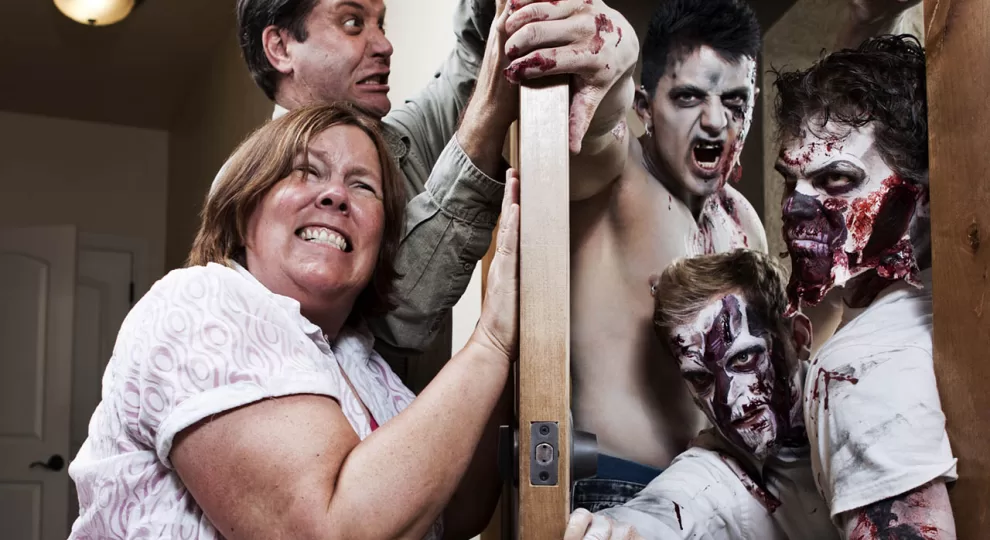
How to sell when you have the neighbours from hell
Their front yard has adopted some kind of jungle theme. Flat tyres and random car parts lie rusting in the weeds. You can’t see through the windows for grime, and blinds… what are those? You haven’t actually laid eyes on the occupants in months. Are they even alive?
And now you’re selling.
You’re right to take it seriously. Neighbours count when it comes to selling property; the US Appraisal Institute (the largest association of real estate appraisers) has warned that bad neighbours can significantly reduce nearby property values, and any buyer standing in your driveway can do the maths themselves. It doesn’t matter how pristine your house is if next door looks like a condemned brothel.
So here’s the full campaign plan: how to improve the situation, how to sell well even if it doesn’t improve, and where the line is on what you tell buyers.
Step one: diplomacy (bring beer)
Marching next door and grabbing your neighbour by the collar weakens your negotiating position remarkably fast. Approach wisely, with humility, and perhaps a six-pack or a decent bottle. The playbook:
- Pick a calm moment, not the morning after their 3am karaoke session.
- Lead with your situation, not their failings: “We’re selling, and I’d love the street to look its best for the photos” beats “your yard is a tip”.
- Make one specific, small request rather than a renovation wishlist: the car bodies moved, the lawn mown once.
- Offer something. Which brings us to…
- Leave the door open even if the first chat goes nowhere. Campaigns run for weeks; people come around.
A little heart goes a long way. Sometimes there’s a reason a property slides into neglect: illness, age, grief, overwhelm. Offering to mow the strip, take a trailer-load to the tip, or lend a hand with the garden costs you a Saturday morning and can transform both the streetscape and the relationship. It’s far easier to offer help than to ask for it, and it may be the highest-ROI landscaping you’ll ever do.
Be ready to compromise. They may never bring the yard up to display-home standard, but they might happily keep the dog inside during opens or park the ute in the garage for a fortnight. Solving half the problem still lifts your sale.
Step two: run the campaign around them
Whatever the neighbours do or don’t agree to, you control more than you think:
- Schedule inspections tactically. Every street has rhythms. If next door’s band practice is Saturday afternoons, your open home is Saturday morning. You set the times when you sell privately; use that power.
- Screen what can be screened. A good fence panel, a line of mature screening plants or a strategically magnificent hedge can retire the view of their yard permanently, and unlike most pre-sale spending, it directly removes a buyer objection. (Spend logic applies as always; our guide to what not to fix keeps the budget honest.)
- Present your own place immaculately. The stronger your home shows, the smaller their mess looms in the buyer’s mental ledger. The pre-sale cleaning checklist is your friend.
- Angle the photography. Shoot the hero shots that celebrate your home without featuring their wrecking yard. That’s presentation, not deception; which brings us to the important bit.
What do you have to tell buyers?
Now the careful part. There’s a real difference between presenting your home well and misleading buyers, and the second one can unwind a sale and land you in genuine legal trouble.
The general position: you don’t have to volunteer that the neighbour’s taste in lawn ornaments is questionable. Everyday matters of taste are for buyers to judge at inspections, which is why they inspect. But formal matters can be different: current disputes, court or tribunal orders, fencing disputes in progress, or anything that materially affects the property can fall within your state’s vendor disclosure obligations, and those obligations differ significantly around Australia. We’ve covered the disclosure basics in what you need to disclose when selling, and this is squarely a question for your conveyancer or solicitor: tell them the full story and let them tell you what must be on paper.
And if a buyer asks you directly about the neighbours? Answer honestly. A dodged question that surfaces after settlement is how sellers end up in disputes of their own.
When all else fails
You’ve deployed all the diplomacy of a UN envoy and next door remains a monument to entropy. Remaining options, in escalating order:
- Reframe the price. If the market consistently tells you the neighbours are costing you, it can be better to accept it in the price, sell, and move on with your life. Sometimes the win is the exit; if speed matters more than the last dollar, there are honest ways to trade between them.
- Wait them out. Delay listing and pray for a random tornado. (Less flippantly: if they’re renters, tenancies end; if the house is derelict, councils act eventually. Time occasionally solves it.)
- Call in the reinforcements. Councils have powers over derelict properties, abandoned vehicles, noise and unsightly land; a polite report costs nothing. For interpersonal disputes, every state runs free or cheap dispute-resolution services, such as Community Justice Centres in NSW, with equivalents elsewhere: mediation resolves a surprising share of neighbour conflicts without lawyers.
Through all of it, keep your cool on the record. Anything you put in writing to a neighbour mid-dispute can resurface at the worst moment, and buyers at inspections have an uncanny nose for tension. Which, incidentally, is a skill you’ll want anyway; negotiation with buyers rewards the same calm.
The bottom line
As the late Carrie Fisher put it: “Everything is negotiable. Whether or not the negotiation is easy is another thing.”
Difficult neighbours are a solvable selling problem: some diplomacy, some screening plants, tactical open homes, honest answers, and a price grounded in reality. Thousands of homes sell next to worse every year. When you’re ready, selling privately with PropertyNow is a flat $999 with licensed agents on call seven days a week, some of whom have heard neighbour stories that would curl your hair, and none of which stopped the sale.
What’s it worth, neighbours and all?
Get a free property value report and see what homes like yours are really selling for, so every decision about next door starts from the actual number.
FAQ
Do bad neighbours affect house value? They can. Appraisal-industry research warns visibly neglected neighbouring properties can knock meaningful value off nearby homes, mostly by shrinking the pool of buyers willing to look past the street view.
Do I have to disclose bad neighbours when selling a house? Everyday nuisance generally no, but formal disputes, orders or anything materially affecting the property can fall within your state’s disclosure obligations, which vary. Tell your conveyancer the full story and follow their advice; and never answer a direct buyer question dishonestly.
How do I sell my house with a messy neighbouring property? Try the friendly approach first (specific, small requests, offers of help), screen the view with fencing or planting, schedule inspections around the neighbours’ patterns, and present your own home immaculately so the contrast works for you.
Can the council do anything about a neglected property next door? Often, yes: councils have powers covering derelict buildings, abandoned vehicles, overgrown land and noise. A report costs nothing, and state dispute-resolution services offer free mediation for interpersonal conflicts.
Should I just drop my price because of the neighbours? Only after the cheaper fixes (diplomacy, screening, scheduling) have had their chance and the market’s feedback is consistent. If it is, price honestly, sell, and enjoy your new neighbours.
Related stories
- 5 things you need to disclose when selling your home
- How to run your first open home
- What not to fix when selling a house
- How to negotiate when selling your house privately
By the PropertyNow team. This article is general information, not legal advice. Vendor disclosure obligations vary by state; ask your conveyancer or solicitor what applies to your sale.