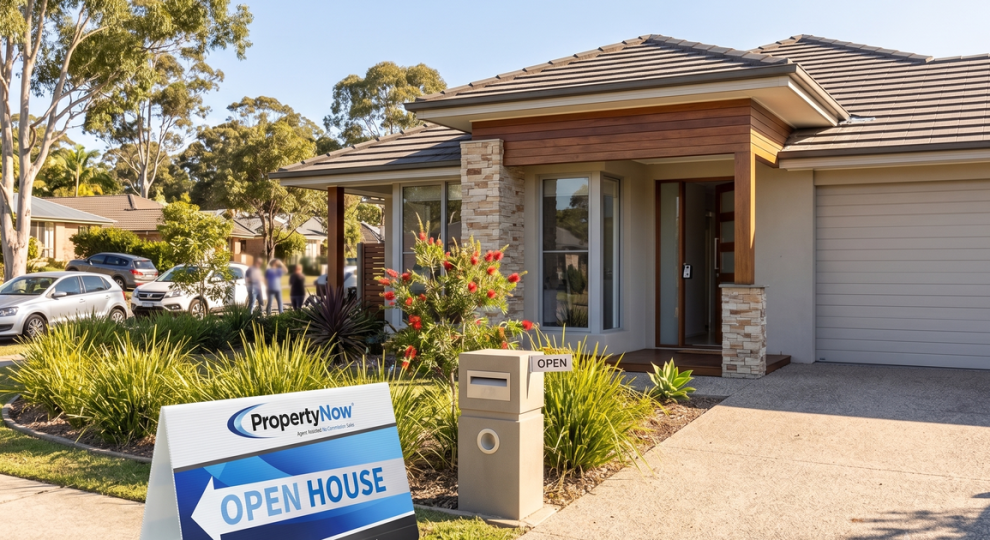
How to run your first open home (without an agent)
Opening your home to a stream of strangers on a Saturday morning sounds like exactly the part of selling you’d want an agent for. And it’s true that a good agent makes it look effortless. But here’s the reassuring secret: an open home (or open for inspection, or open house — same thing) is really just two things bolted together — making your home look its best, and hosting a steady flow of visitors with a bit of a system. Both are entirely within your reach.
Do it well and your open home does the heavy lifting of selling: it creates a sense of competition, lets buyers picture themselves living there, and turns casual lookers into genuine offers. This guide walks you through the whole thing — preparing the property, running the day smoothly, keeping yourself and your home safe, and following up so the foot traffic actually converts.
Open home or private inspections?
Quick gut-check before we dive in. An open home is a set window (usually 30–45 minutes) where anyone can walk through — efficient, and it builds buzz and competition. The alternative is one-on-one private inspections by appointment — easier to control and more personal, but slower, and without that sense of urgency. Most private sellers do a mix: an open home or two to build momentum early, plus private inspections for serious buyers. Our senior agent Chenelle’s rule of thumb: if your enquiry level is high, lean towards open homes — the crowd creates urgency, and in an “offers over” campaign that buzz can spark more competitive offers.
If you’re still weighing up whether an open home is the right move for your property at all, we go deeper on that in should you run open houses? — this guide picks up from the point you’ve decided to, and shows you how to nail it.
Getting your home open-ready: the prep checklist
Buyers decide how they feel about a home in the first few seconds, so presentation is everything. Work through this before the first visitor arrives:
- Street appeal first. Mow, weed, sweep the path, tidy the entrance. The front of the house sets the buyer’s expectation before they’re through the door.
- Declutter, then declutter again. Clear benchtops, shelves and floors. Less stuff makes rooms feel bigger and lets buyers imagine their things there.
- Depersonalise. Pack away family photos, kids’ artwork, religious or political items and anything too personal. You want buyers picturing their life, not studying yours.
- Deep clean. Kitchen and bathrooms especially — they make or break a sale. Clean windows, fresh-smelling rooms, no pet odours.
- Light and air. Open blinds and curtains, turn on lights, let fresh air through. Bright and airy beats dark and stuffy every time.
- Small fixes. The dripping tap, the squeaky door, the scuffed wall — little flaws make buyers wonder what bigger ones are hiding.
- Arrange for kids and pets to be elsewhere. Much as you love them, they’re a distraction during an inspection — you want buyers picturing themselves in the home, not stepping around the dog or a toddler mid-meltdown. It’s one of the most common open-home slip-ups our agents see, and an easy one to fix.
- Secure the personal stuff (more on this below). Lock away anything valuable or sensitive before a single stranger walks in.
For the deeper version of presentation and styling, see our guide to preparing your home for sale.
On the day: running the open home smoothly
A calm, well-run open home makes buyers comfortable — and comfortable buyers make offers. The rhythm:
- Advertise the time well ahead on your listing, and put out signage on the day: a for-sale and open-for-inspection sign out front, plus pointer signs on nearby corners to guide people in.
- Time it with the neighbours. A neat trick from our team’s Jesse Blachut: schedule your open home for the same window as other open houses nearby. Buyers already out doing the rounds in your area will naturally swing by yours too.
- Have offer forms handy. If a buyer falls for the place, you want them able to put an offer in writing on the spot, while the feeling’s strong — not a week later once the moment has cooled.
- Arrive early. Give yourself 30–60 minutes to do a final tidy, open up, set the temperature, and put out any brochures or floor plans.
- Have a sign-in sheet (or digital sign-in). Collect each visitor’s name, phone and email as they arrive. It’s standard practice, it’s your follow-up gold, and it’s a sensible security step too.
- Greet warmly, then let them roam. Welcome people, mention a highlight or two, then give them space to wander and talk among themselves. Hovering makes buyers self-conscious and cuts visits short.
- Be available, not pushy. Stay nearby to answer questions honestly — about the home, the area, the timeline. You know the property better than any agent ever could; that’s an advantage.
- Gently qualify the keen ones. When someone’s clearly interested, it’s fine to ask what any agent would — have they got finance pre-approved? Do they need to sell their own place first? It’s not nosy; it tells you how serious, and how ready, a buyer really is.
- Send them home with a reminder. Have a simple one-page flyer or postcard ready — key features, price, the address and your contact details — for visitors to take. After they’ve walked through half a dozen homes that weekend, it keeps yours top of mind.
- Know your numbers. Be ready for “what are you asking?” and “why are you selling?” with calm, prepared answers. (For the legal stage that follows, our guide to evaluating offers covers what comes next.)
One quiet bit of housekeeping: pop away the valuables
Open homes are overwhelmingly uneventful — in 20 years of helping people sell their own homes, we’ve never had a seller come to harm, and all but a tiny handful of visitors are simply genuine buyers. The only real (and small) thing worth heading off is the rare opportunist, and you can take that off the table in five minutes — the same way you’d tidy up before any houseful of guests:
- Tuck away anything valuable or personal before you open up — cash, jewellery, small electronics, spare keys, prescription medication, and any mail or documents with your details on them. Out of sight, out of mind.
- Keep your sign-in list — it doubles as a handy record of who came through.
- Having a second person there can make the day easier — someone to help greet people and keep things flowing while you chat. Not essential, just nicer.
That’s genuinely the extent of it. Stash the valuables, then relax and enjoy showing off your home.
Turning lookers into offers (the follow-up)
This is where most DIY sellers leave money on the table — the open home ends and so does the effort. The buyers who’ll actually make an offer are on your sign-in sheet, so use it:
- Follow up within 24–48 hours while the visit’s fresh. A short, friendly message — “Thanks for coming through on Saturday; any questions I can answer?” — keeps the conversation alive.
- Ask genuine questions, and really listen. The right questions turn a polite “it was nice” into feedback you can act on — and often into an offer.
Advice from Chenelle Moothedom, once of our Senior Agent on questions you might ask:
- “Even if it’s not the one for you — what do you reckon it’s worth on the current market?”
- “What features did you find value in? And is there any work you think should be done before it sells?”
- “If you could change one thing about the property, what would it be?”
- “What would you pay for it if it were for you?”
- Offer a second look. If someone’s genuinely interested, offer them a private inspection at a quieter time — serious buyers often need a calmer second visit before they commit.
- Read the interest. Lots of attendees but no follow-up interest usually points to price; strong feedback but hesitation often points to a fixable presentation issue.
After the open home: review and adjust
Treat each open home as a data point. How many came through? What did they say? Any second viewings or offers? If a well-attended open home produces little genuine interest, that’s the market telling you something — most often about price. Be willing to adjust early rather than running open home after open home hoping for a different result.
And if hardly anyone turns up — which happens, especially the first time — don’t be disheartened. Go back over your advertising, your timing and your price, make a tweak, and try again. A quiet open home is information, not failure.
Prefer a hand with it?
You can absolutely run your own open home — sellers do it every week. If you’d like the trappings that make it look the part, PropertyNow supplies professional for-sale and open-for-inspection signage, and you get licensed agent support seven days a week if you hit a question you’re unsure about. The marketing and hosting are yours; the backup is there if you want it.
The bottom line
Running your first open home comes down to three things: present the property so it shines, host the day calmly with a simple system (signage, sign-in, greet, let them roam), and follow up afterwards so the foot traffic turns into offers. Add a few sensible safety habits — never alone, valuables locked away — and there’s genuinely nothing here you can’t do yourself. Do it well and you’ll have created exactly the buzz and competition an agent would charge you thousands for.
Frequently asked questions
What should I do before an open home? Maximise street appeal, declutter and depersonalise, deep-clean (kitchen and bathrooms especially), open up for light and air, fix small faults, and lock away valuables and sensitive items. Arrive 30–60 minutes early on the day to do a final tidy and put out signage.
What’s the best day and time for an open home? Saturday mornings are the traditional sweet spot in Australia, often 10am–12pm, when most buyers are free — though a mid-week twilight viewing can work for busy professionals. Advertise the time well ahead and consider offering a couple of windows.
How does an open home actually work? You advertise a set time (usually 30–45 minutes), put out signage, open the property, have visitors sign in, let them walk through, answer questions, then follow up with attendees afterwards. Anyone can attend without an appointment.
Is it safe to hold an open home when you’re selling privately? Generally yes, but take sensible precautions: never run it alone, lock away valuables, cash, medication, keys and documents, keep a sign-in record of who attends, and trust your instincts if something feels off.
Do I have to hold an open home to sell privately? No. Open homes build buzz and competition, but you can sell perfectly well with by-appointment private inspections instead — many sellers use a mix. Choose what suits your property and your comfort level.
Should I be there during my own open home? Yes — as a private seller, you’re the host. Greet visitors, then give them space rather than hovering, and be on hand to answer questions. Having a second person there with you is both good hosting and a sensible safety step.
Ready to host your own open home?
Run your own open homes and stay in control of your sale — while keeping the commission. PropertyNow gets you onto the major portals with licensed agent support seven days a week.
Related stories
- Preparing your home for sale: staging and styling
- Researching and setting your selling price
- How to evaluate a property offer when selling privately
- Step-by-step guide: how to sell your home online
Written by the PropertyNow team. PropertyNow helps Australians sell and rent out their own property privately, with licensed agent support seven days a week.