Fix, sell, pay later: how to renovate to sell (and when not to)
A lot of pre-sale renovations cost more than they add. The $45,000 kitchen that lifts the sale price by $30,000 isn’t a renovation, it’s a donation to the next owner.
And yet some spending before sale genuinely pays for itself several times over. The trick is knowing which is which, and if the work is worth doing but the cash isn’t there, knowing how the “renovate now, pay at settlement” options work before you sign anything.
Let’s take those one at a time.
Should you renovate before selling at all?
Start with what buyers actually pay more for. Buyers pay for how a home feels at the inspection: light, space, cleanliness, and the sense that the place has been cared for. They rarely pay full price for your specific taste in benchtops.
That’s why the cheapest work reliably beats the most expensive work on return:
Usually worth it:
- A serious top-to-bottom clean (our room-by-room pre-sale cleaning checklist covers it)
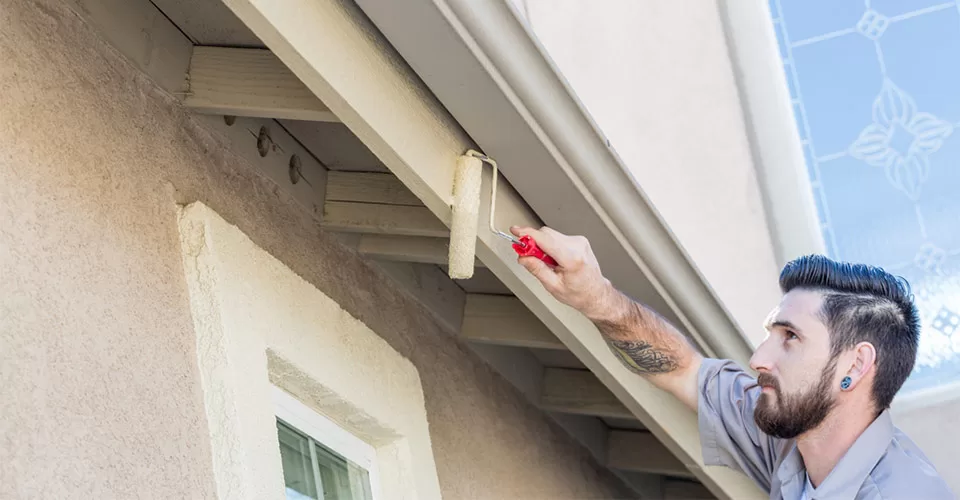
- Fresh paint in neutral tones, inside and on tired exterior trim
- Decluttering and simple styling
- Fixing the small broken things buyers notice: dripping taps, sticking doors, cracked tiles, blown bulbs
- Garden tidy, mulch, mown edges: street appeal is the first photo and the first impression
Rarely worth it before a sale:
- Full kitchen or bathroom replacements
- Extensions, pools and structural work
- Re-doing anything that’s dated but functional purely to match current fashion
The second list isn’t “never”. A genuinely unusable kitchen in an otherwise strong home can bottleneck the price, and a mid-range bathroom refresh sits in the maybe pile (we’ve looked separately at how much value a renovated bathroom adds). But the burden of proof is on the big spend. Buyers also discount homes for over-capitalised work they’d have done differently, and there’s a whole category of repairs that simply don’t matter to them; our guide to what not to fix when selling will stop you sanding floorboards nobody was worried about.
Do the renovate-to-sell maths first
Before any quote gets signed, run three numbers:
- The spend. The full quote, plus the overrun that renovations reliably produce.
- The realistic uplift. Not what the tradesperson suggests. Look at recent sales of renovated versus unrenovated homes like yours in your suburb, or get a free property value report and ask what your home would fetch as-is; the gap between as-is and renovated comparables is your ceiling.
- The time cost. A two-month renovation is two more months of mortgage interest, rates and insurance, and two months of market movement you can’t predict.
A quick example. Say a $25,000 refresh (paint, floors, landscaping, minor kitchen work) might lift a $650,000 as-is home to $690,000. That’s $40,000 of uplift for $25,000 spent plus roughly two months of carrying costs, call it $5,000 on a typical mortgage. Worth doing, but the margin is $10,000, not the $40,000 it looks like from the sale price alone. Shrink the uplift or blow out the quote and the margin disappears entirely. There’s more on the value side in how much renovation adds to home value.
If the maths doesn’t clear comfortably, sell as-is, price accordingly, and keep the months. Plenty of buyers are actively hunting for something they can put their own stamp on.
“Renovate now, pay later”: how it actually works
Now for the funding side, because the most common reason sellers skip worthwhile work is cash flow, not the maths. The money is locked up in the house until settlement.
A small industry has grown up around exactly this gap. Renovate-now-pay-later providers, such as Fix Sell Pay and Flipro, typically work like this: they assess your property and planned works, arrange or manage the renovation, and defer payment until your property sells, collecting what’s owed out of the settlement proceeds. Some pay-later services, Property Credit among them, extend the same settle-later model to marketing, styling and repairs generally (we’ve touched on that in how to sell your house fast). Terms, fees and eligibility vary by provider and change over time, so treat the details on their websites as the source of truth and get the full cost in writing before committing.
Used well, these services solve a real problem: they let you do the value-adding work without draining savings or taking a personal loan. But a few things deserve a clear-eyed look first:
- Deferring is never free. The convenience is priced in somewhere: fees, interest, or a margin on the works. Compare the all-in cost against what the same renovation would cost paid upfront.
- You’re committing before the sale is certain. The debt falls due at settlement regardless of whether the sale met your hopes. Run your maths on a conservative sale price, not an optimistic one.
- Contracts differ. Check what happens if the property takes longer to sell than expected, or if you take it off the market.
The general borrowing principles on the government’s Moneysmart guide to renovation finance are worth ten minutes before any conversation with a provider. And if the work you’re funding is on the “rarely worth it” list above, pay-later doesn’t fix that; it just delays finding out.
Five questions to answer before you renovate to sell
- What would my home sell for exactly as it stands today?
- What are renovated homes like mine actually selling for nearby?
- Does the gap comfortably exceed the full cost of the work, including overruns and carrying costs?
- Can the work be finished before my ideal listing window, with margin for delays?
- If I’m borrowing or deferring payment, does the deal still make sense at a conservative sale price?
Five confident yeses and the renovation deserves to happen. Any wobbles, and a clean, decluttered, well-priced as-is sale is usually the stronger play.
Fixed it? Sell it and keep the savings
Whichever way you go, the renovation maths gets a lot friendlier when the selling costs are smaller. Commission on a typical home runs well into five figures; selling privately through PropertyNow is a flat $979 for a listing on the major portals with licensed agent support seven days a week. On the example above, that difference alone is worth more than half the renovation margin, and it requires zero weekends of painting. Our step-by-step guide to selling your home online shows how it all fits together.
FAQ
Is it worth renovating before selling a house? Small presentation work (cleaning, paint, minor repairs, garden) almost always pays for itself. Major renovations usually don’t; run the numbers on spend, realistic uplift and time cost before committing.
Who pays for renovations when selling a house? The seller pays, either upfront or, with renovate-now-pay-later providers, out of the settlement proceeds. Either way it comes off what you keep, which is why the uplift has to beat the cost.
How does renovate now, pay later work? A provider funds or manages pre-sale works and collects payment when your property settles. Fees and terms vary by provider; get the all-in cost in writing and model it against a conservative sale price.
What adds the most value when selling? Presentation: clean, bright, decluttered and well-photographed. Per dollar spent, paint and cleaning beat structural work by a wide margin.
Should I sell my house as-is instead of renovating? If the realistic uplift doesn’t comfortably beat the full cost of the work, yes. Price it fairly for its condition and let renovation-hungry buyers compete for it.
By the PropertyNow team. This article is general information, not financial advice. Before using any pay-later or renovation finance product, check the current terms directly with the provider and consider advice from a licensed financial adviser.
Know your number before you spend a cent
The renovate-to-sell maths starts with what your home is worth as it stands. Get a free property value report and run the numbers with real figures.